
TTRPG Books for Collectors | Art & Design
For many fans, tabletop RPG books are much more than mere manuals for weekend adventures. While they function as essential toolkits for Game Masters and players, they have increasingly transcended their utility to become highly coveted collectible objects.
In recent years, we’ve seen a massive surge in TTRPG interest. This is evident even on Google Trends:

This also implies a growing interest for Collector's Editions. Enthusiast are no longer just looking for a way to calculate damage, they are looking for a centerpiece for their bookshelves. This shift highlights a core truth in the hobby: The art and physical design of these books are just as vital to their legacy as the rules and lore contained within.
Cover Art as a First Impression: The Soul of the Book
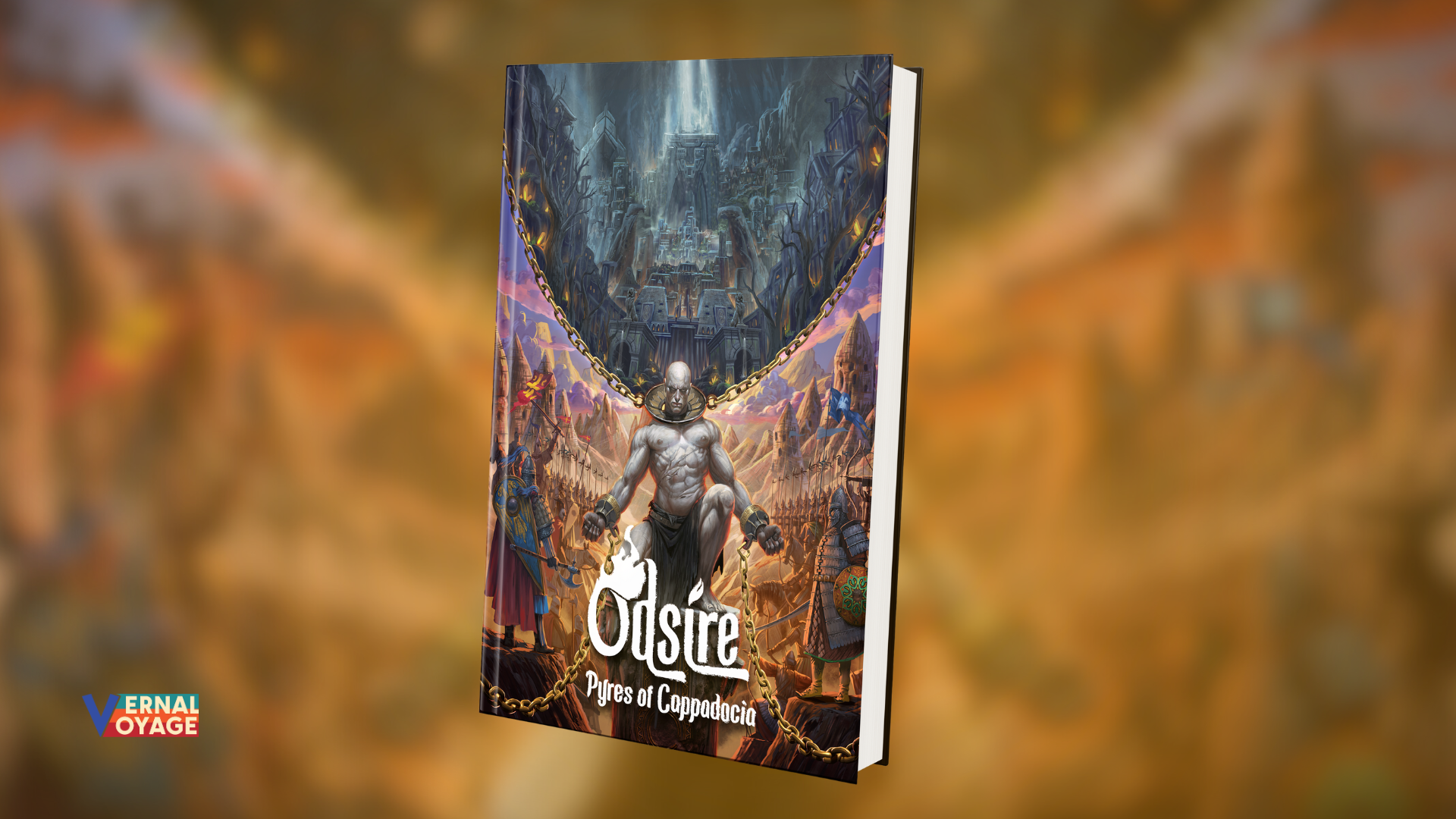
The journey of any great RPG book begins the moment you see it on a shelf. TTRPG cover art serves as the primary gateway to a new world, setting the tone before a single page is turned. Iconic covers evoke an emotional response like wonder, fear, or a sense of grand adventure.
Think of the visual identity of classic games. Artists like Larry Elmore (Dungeons & Dragons) or Tony DiTerlizzi (Planescape) drew the covers, yes, but they did something much more impactful than that: They shaped the entire visual language of the genre. For collectors, owning an original print with iconic RPG artwork is akin to owning a piece of gaming history. It is the visual "hook" that transforms a book from a gaming accessory into a work of fine art.
Materials and Physical Quality
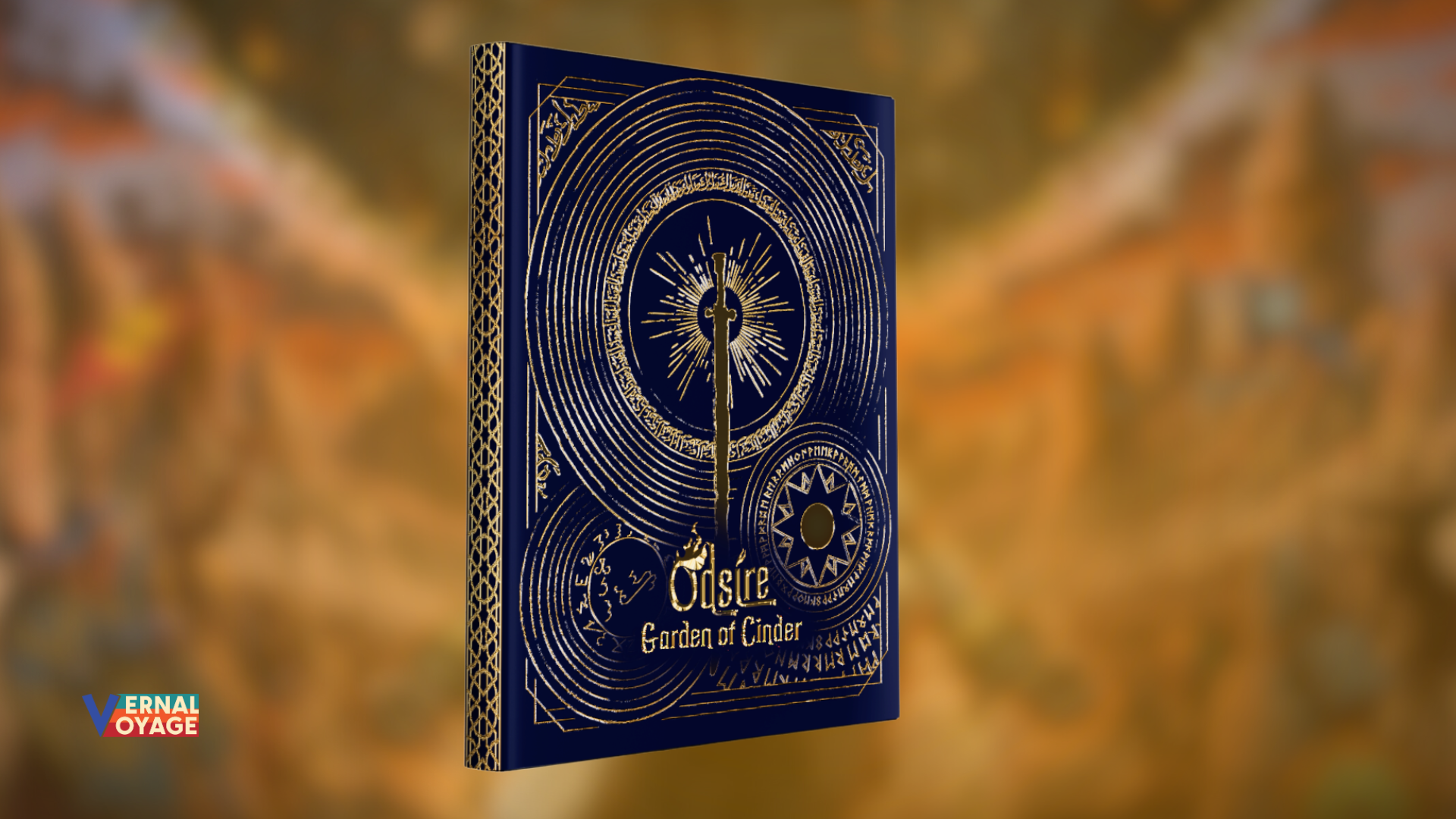
When discussing premium TTRPG editions, the tactile experience is one of the most important things to keep in mind.
Collectors look beyond the surface, seeking high-quality RPG books that are built to last a lifetime. In the world of high-end publishing, the "feel" of the book is a deliberate design choice.
Key features that define a collector-grade TTRPG book are as follows:
Binding and cover type: While softcovers are portable, heavy-duty hardcovers are the gold standard. High-end editions often feature smyth-sewn binding, ensuring the book lays flat and remains durable for decades. Odsire: Pyres of Cappadocia, for instance, is a US letter sized high quality hardcover book.
Paper quality: Thick paper with matte or silk finishes prevents "ghosting" (seeing text through the page) and makes the illustrations pop.
Premium finishes: Techniques like embossing, foil stamping, and spot UV (glossy accents) add texture and luxury.
At Vernal Voyage Studios, these principles aren’t theoretical. With over five years of hands-on experience delivering premium TTRPG products, we approach every book as a long-term artifact: One meant to be felt, used, and treasured for years to come.
Art Direction and Brand Identity
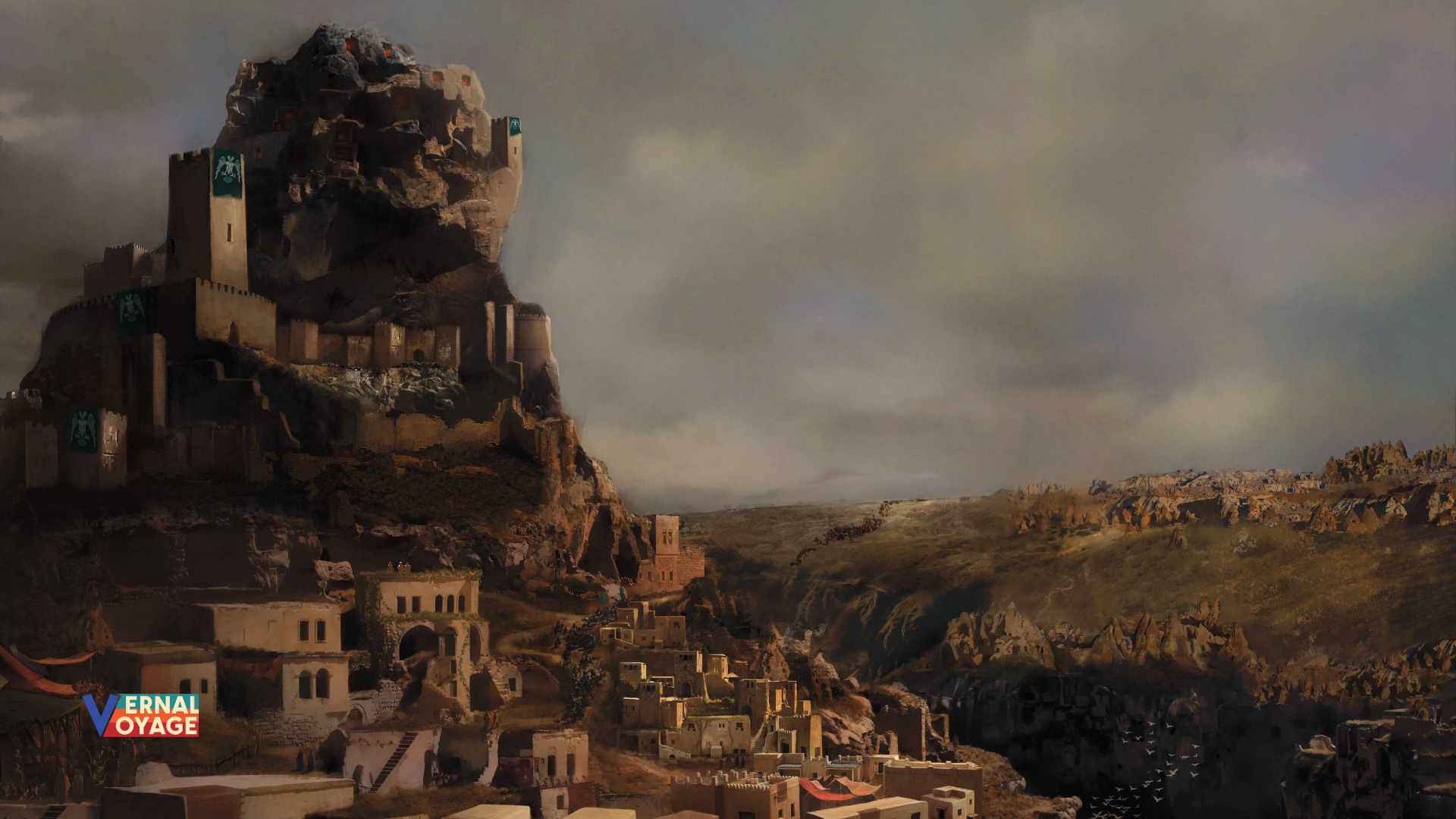
The most successful role-playing game books are those with a cohesive TTRPG art direction. A consistent visual identity across a game line builds brand trust and long-term collector appeal. When you see a Mörk Borg book or a Call of Cthulhu supplement, you immediately recognize the "vibe" because of the disciplined use of typography, layout, and color palettes.
Mainstream publishers typically focus on high-quality, refined "heroic" art styles that appeal to a broad audience and evoke a cinematic feel. On the other hand, independent publishers frequently push the boundaries of RPG visual identity, experimenting with different styles, unconventional layouts, and risky aesthetic choices that make their books stand out as unique works. For our book Odsire: Pyres of Cappadocia, we used a style that combines Western-style TTRPG designs we all know and love with Eastern themes.