
What is Environmental Storytelling in TTRPGs?
In the context of narrative design, environmental storytelling is the art of conveying a story through the layout, details, and state of a physical space rather than through dialogue or exposition.
While the term gained mainstream popularity in video games (think of the skeletal remains and audio logs in Fallout or BioShock) and cinema, it is an exceptionally powerful tool in TTRPGs as well.
What Does “Environment” Mean in TTRPGs?
In a medium where the theater of the mind is king, environmental storytelling is the ultimate embodiment of the "Show, Don't Tell" philosophy. The "environment" in a TTRPG is more than just a grid map, it is a multi-layered sensory experience.
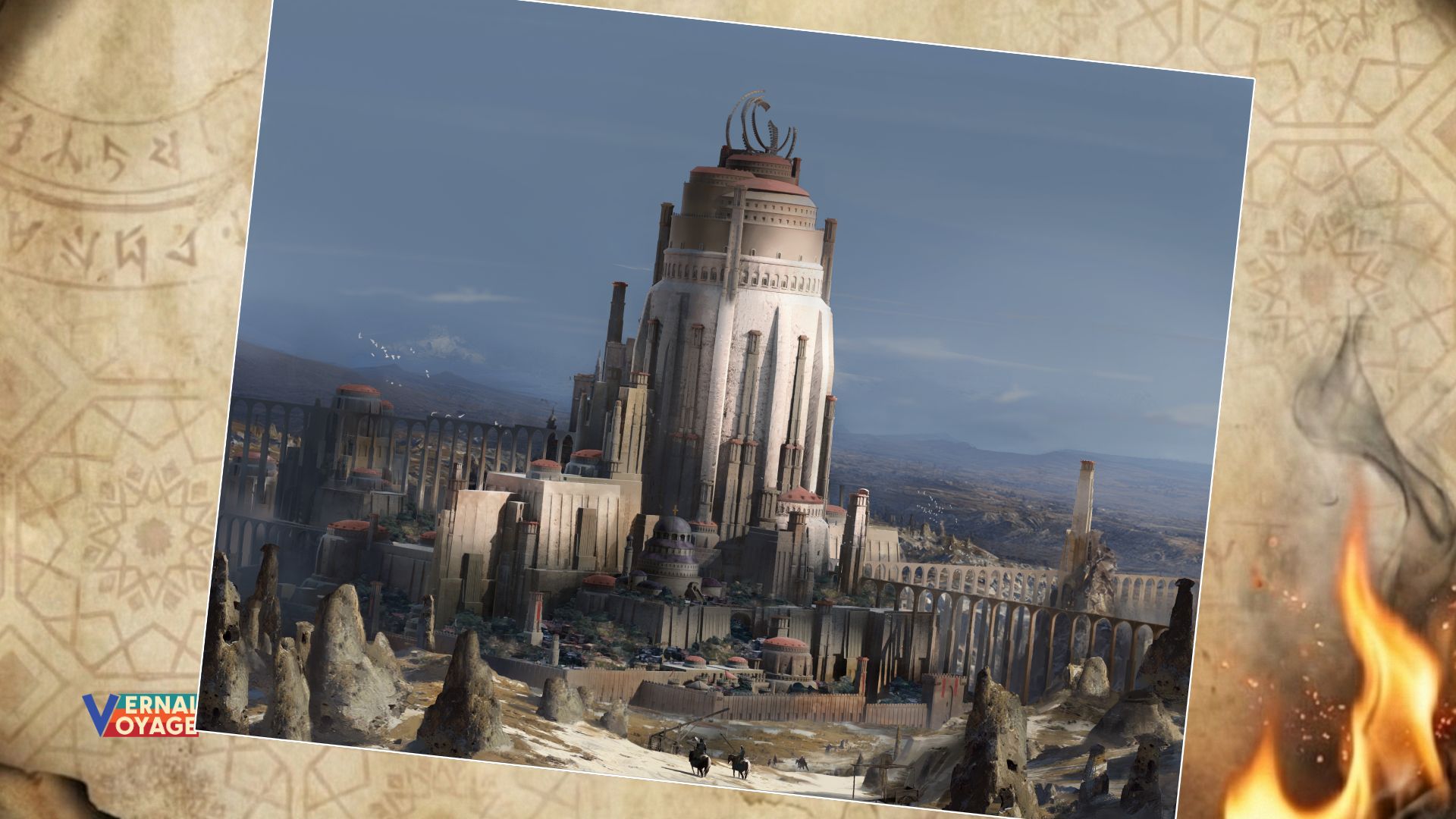
It is, before anything else, a physical space: The architecture of dungeons, the layout of a bustling city, or the crumbling silence of ancient ruins.
It consists of objects: Overturned furniture, bloodstains on a specific rug, a half-written letter, or a recurring religious symbol.
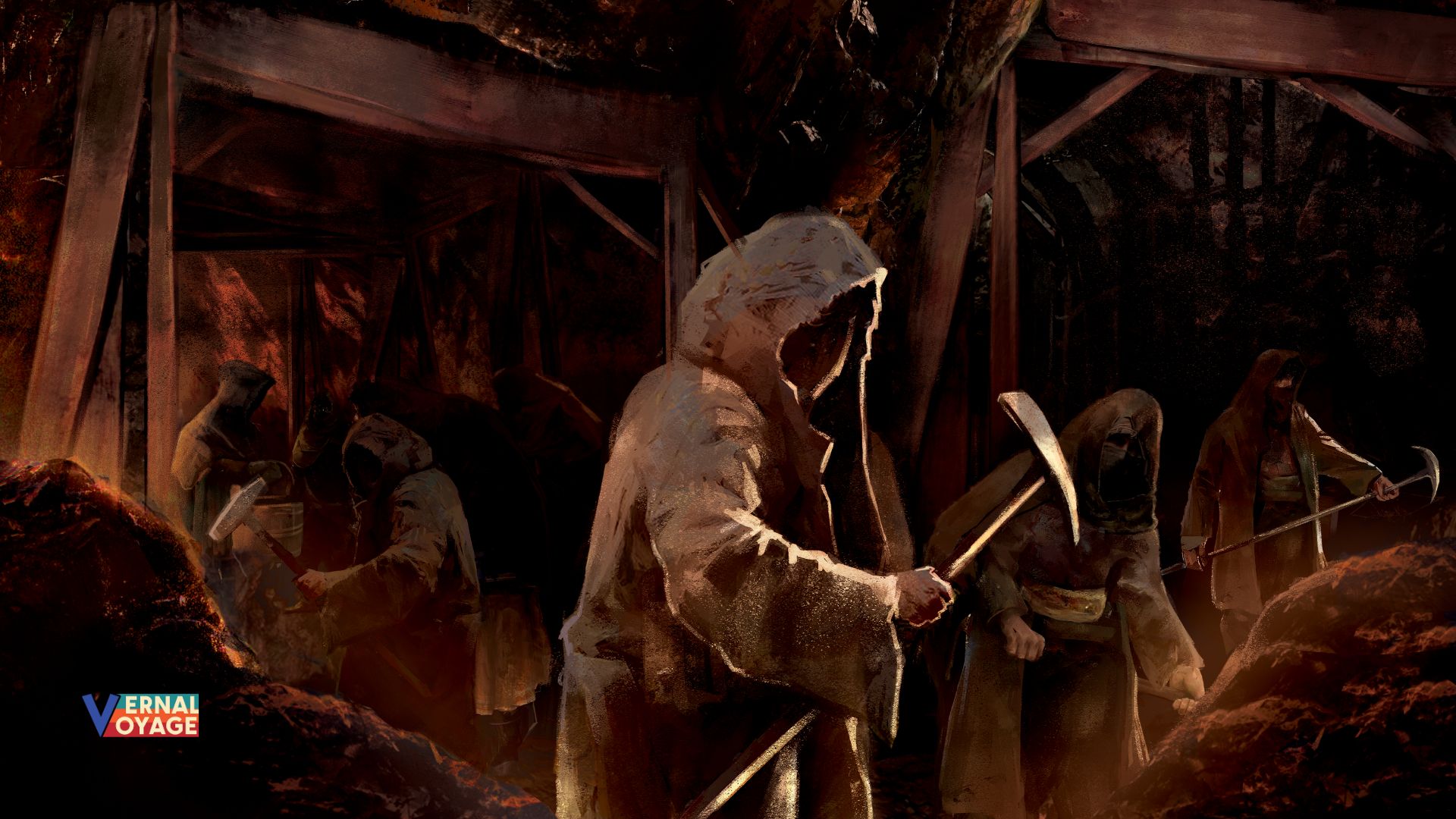
There are elements that create the atmosphere within: The quality of light, the lingering smell of ozone, the distant sound of dripping water, or the biting chill of a supernatural winter.
To make this aspect of your gameplay feel more authentic, you may refer to physical maps, sketches, and props that players can touch and examine.
How Environmental Storytelling Works at the Table
At the gaming table, environmental storytelling shifts the burden of discovery onto the players. Instead of the Game Master (GM) delivering a monologue, the players assemble the narrative puzzle by gathering clues, actively exploring the area, or finding objects / atmospheric elements that tell a non-verbal story.
Environmental storytelling also helps GM not to lore dump, meaning that it allows fort he GM to help players take in the surroundings rather than giving them an encyclopedic information regarding the history of the place. Lore dumps stop the action, whereas environmental clues integrate the history into the action.
When players deduce that a dragon attacked a castle because they see melted stone and giant claw marks, they are active participants in the story, not just a passive audience.
For GMs, the key is the "Less is More" approach. You don't need to describe every pebble. You can choose a few meaningful details that imply a larger story and leave gaps in the environment for players to investigate. If they ask, "Why is there blood on the ceiling?", you've successfully hooked them.
The Importance of Environmental Storytelling in TTRPGs
The goal of any campaign is to create a "lived-in world." Environmental storytelling provides:
Consistency: A world that exists independently of the players' presence.
Depth: Layers of history that reward those who look closer.
Memorability: Players may forget the name of the king, but they will never forget the room filled with thousands of tiny, hand-carved wooden dolls.